
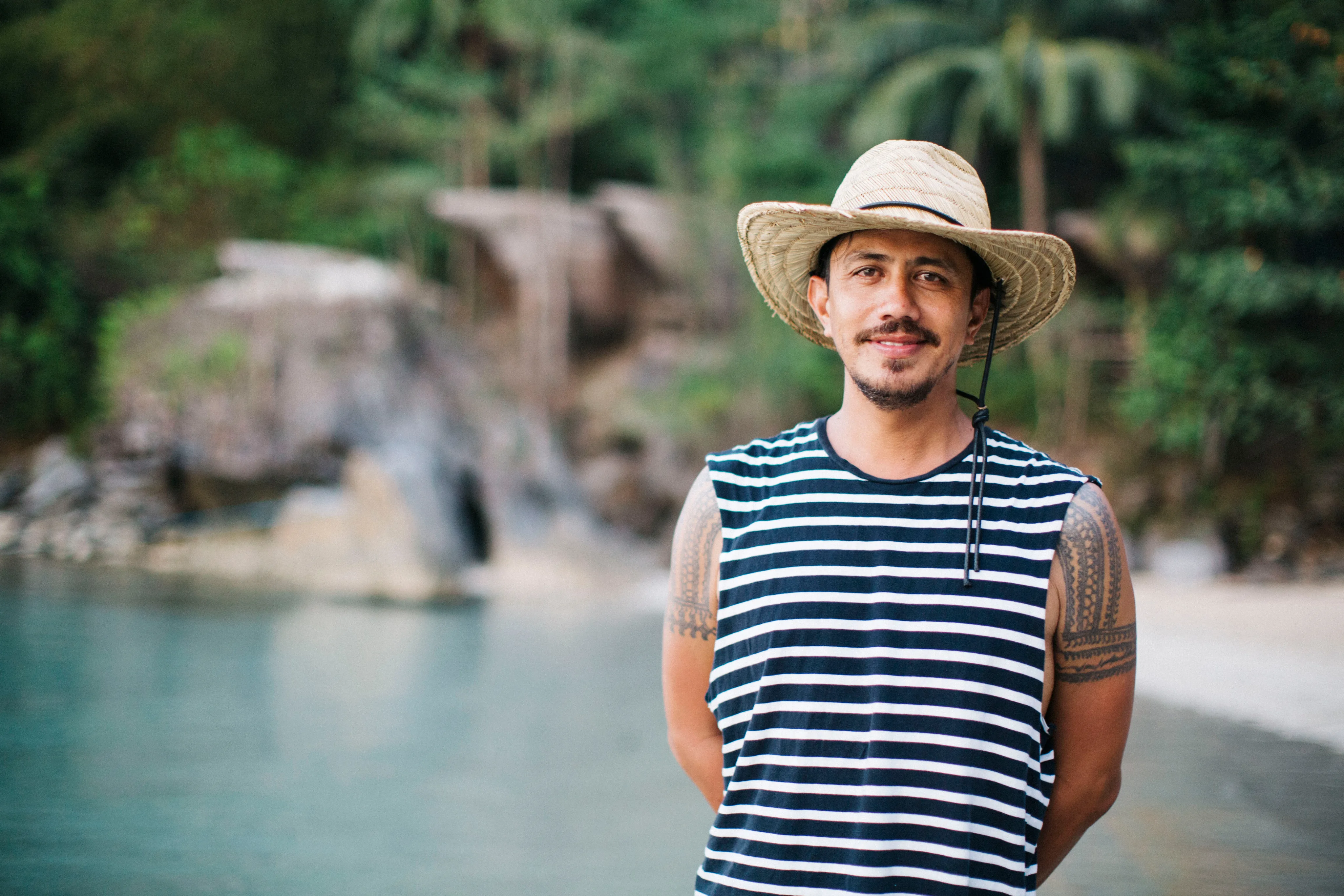
Interview with Tao's founder
Eddie Brock Agamos reveals his vision for Tao

For two decades, Tao Philippines owner Eddie Brock Agamos has been flipping the script on adventure travel – swapping glossy escapism for raw, real-world impact.
Words by John Sunyer
When Eddie Brock Agamos first sailed the remote waters between El Nido, Linapacan and Busuanga in the early 2000s, he wasn’t thinking about starting a company. He was thinking about how to get to the next island, where to pitch a hammock and what the local family might cook for dinner. He was on a personal journey to reconnect with his homeland.
Eddie’s early life was marked by movement. He was raised in the mountainous northern area of the Philippines in a community where rituals and tribal practices were still intact.
“There were community meetings under the moon and decisions about everything from agriculture to preservation were made by elders,” he recalls. That kind of ancient social structure stayed with him, even when life took him elsewhere – to Scotland for work and later through a stretch of slow travel across parts of Asia to escape the dreaded Scottish winter.
His early island-hopping adventures in the Philippines were less about escape and more about revisiting island friends. Alongside a few cousins and others, with whatever boat they could hitch a ride on and whatever food and firewood they could find, they stayed with families in remote villages with no roads, phones or electricity.
Such was the richness of adventure to be had, he invited a friend to join him, Jack Foottit. They’d met working in a restaurant in Edinburgh. When they ran out of money, they invited a few divers and travellers they met in Coron. An idea was born, and these spontaneous camping trips became Tao Philippines, a constantly evolving grassroots operation that supports over 500 islanders, with bamboo basecamps scattered across more than 200km of Palawan’s northern archipelago.
Now, as Tao hits its 20th anniversary, Eddie is reflective. “We’ve learned everything in the hardest possible way,” he says. “But we learned. That’s the point.”
In the early days they struggled to keep up with demand driven purely by word of mouth. “There was no social media, no booking system. Just people telling each other about this wild adventure in the Philippines,” says Eddie. “We stayed in real homes, and sometimes locals would still be frantically cleaning up as our boat arrived. That was the whole ‘expedition’ experience.”
While Eddie worked abroad to save more money, his mother, Aurora, stepped in to help manage the transformation of a fishing boat into their first expedition bangka. It was also named the Aurora, in honour of her. “My mother came down all the way from the mountains, got to know everyone in El Nido and got the boat afloat,” says Eddie. After years of trial and error with the ever-morphing Aurora, their design is now widely copied. “In the beginning the bangkas were top-heavy, rickety and unsafe,” he says. “But now they are perfectly designed to navigate these seas, safely and comfortably sheltering guests.”
Building resilience
Tao's development wasn't driven by corporate strategy. But over time they discovered the power of a company structure. "It meant we could do good, better. The turning point was Typhoon Yolanda in 2013," Eddie says. "We lost two bangkas. One of our crew died. It was total devastation. As we sped past the wreckage, we had to hold back tears. Boats, houses, trees – all tangled into one."
In the aftermath, Tao shifted. “We realised we needed to move from temporary into permanent,” says Eddie. “Not just in buildings but in our mindset.” They began building semi-permanent structures out of bamboo – tukas – and training local builders. Because at the heart of Tao’s impact is its people. The ‘Lost Boys’ programme trains local young men to become expedition leaders, chefs, carpenters and farmers. “People treat these kids as disposable. Most didn’t go to school so they’re expected to do hard labour on fishing trawlers or go to cities to work on construction sites,” he says. “But for us they’re smart and exactly what we need for our expeditions. They are full of survival skills and in tune with their environment.”
Hundreds of young men have passed through the programme. Some now own cafes, manage boats or work abroad in hotels and kitchens. A few have returned to Palawan to teach the next wave. “We didn’t plan this,” Eddie says. “It just grew. We realised that tourism could be a kind of education. And a livelihood.” And while boat work may be dominated by men, Eddie considers women to be the backbone of the Tao community, taking on leadership roles and acting as decision-makers. “70% of the management team is made up of women.”
These days, there are over 215 tukas across Tao’s network of camps and retreat spaces. And the technique is spreading across the Philippines. “Nowadays I can see bamboo projects all around inspired by our innovations. I also see our influence in cuisines all over the country. Many don’t know the origins, but that’s okay,” says Eddie. “We just want people to know that it all came from the resourcefulness needed for remote living and a resilience born from surviving disaster.”
Embracing structure
They've also had to redefine what 'authenticity' means in a changing world. "Locals can't resist development," Eddie says. "You have to guide it. Help communities prepare for it. We set up neighbourhood training not just for us, but for everyone."
Aga Mos Eco Development is Tao’s new focus. “It focuses on ecological mapping and regenerative development,” he says. “We work with developers but only if it’s a good fit. We understand that attaching the word ‘sustainable’ to development sells. But rather than just ticking the green box, we offer 20 years of experience in building in a tropical set-up, and knowledge of materials, water and energy systems and landscaping. And central to it all are our relationships with local communities and how these connections make for a more efficient way to provide livelihoods.”
Back in his hometown, high in the mountains of the north, one of the contributions he’s most proud of is setting up a heritage association that preserves the ancient agricultural landscape and way of life. The Ibila Heritage Association is a model for other townships to preserve their culture and land. Tao Philippines is not just a tourism company. It’s a 20-year experiment in doing things differently – in choosing depth over scale, people over profit, place over convenience. “It’s been a long journey,” Eddie says. “But the next 20 years is about innovation and deepening our commitment to communities around the Philippines.”
More stories
Our Food
Lorem ipsum dolor sit amet, consectetur adipiscing elit, sed do eiusmod tempor incididunt ut labore et dolore magna aliqua
+ Read more
Bamboo Architecture
Lorem ipsum dolor sit amet, consectetur adipiscing elit, sed do eiusmod tempor incididunt ut labore et dolore magna aliqua
+ Read more
The Lost Boys
Lorem ipsum dolor sit amet, consectetur adipiscing elit, sed do eiusmod tempor incididunt ut labore et dolore magna aliqua
+ Read more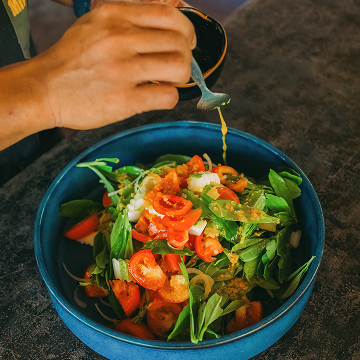
Women's Association
Lorem ipsum dolor sit amet, consectetur adipiscing elit, sed do eiusmod tempor incididunt ut labore et dolore magna aliqua
+ Read more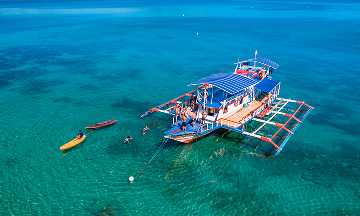
The Foundation
Lorem ipsum dolor sit amet, consectetur adipiscing elit, sed do eiusmod tempor incididunt ut labore et dolore magna aliqua
+ Read more
Tao at 20
Lorem ipsum dolor sit amet, consectetur adipiscing elit, sed do eiusmod tempor incididunt ut labore et dolore magna aliqua
+ Read moreOur Food
Lorem ipsum dolor sit amet, consectetur adipiscing elit, sed do eiusmod tempor incididunt ut labore et dolore magna aliqua
+ Read moreThe Lost Boys
Lorem ipsum dolor sit amet, consectetur adipiscing elit, sed do eiusmod tempor incididunt ut labore et dolore magna aliqua
+ Read moreThe Foundation
Lorem ipsum dolor sit amet, consectetur adipiscing elit, sed do eiusmod tempor incididunt ut labore et dolore magna aliqua
+ Read moreBamboo Architecture
Lorem ipsum dolor sit amet, consectetur adipiscing elit, sed do eiusmod tempor incididunt ut labore et dolore magna aliqua
+ Read moreWomen's Association
Lorem ipsum dolor sit amet, consectetur adipiscing elit, sed do eiusmod tempor incididunt ut labore et dolore magna aliqua
+ Read moreTao at 20
Lorem ipsum dolor sit amet, consectetur adipiscing elit, sed do eiusmod tempor incididunt ut labore et dolore magna aliqua
+ Read moreOur Food
Lorem ipsum dolor sit amet, consectetur adipiscing elit, sed do eiusmod tempor incididunt ut labore et dolore magna aliqua
+ Read moreWomen's Association
Lorem ipsum dolor sit amet, consectetur adipiscing elit, sed do eiusmod tempor incididunt ut labore et dolore magna aliqua
+ Read moreTao is The original Palawan expedition since 2006

20 Years Experience
Get you off the beaten track El Nido, Linapacan and Coron

Safety & Comfort
Rigorous training and adapted boats make us second to none

Food and Drink
Our meals are served with our special brand of hospitality

Education & Livelihood
Each contributes directly and indirectly to the community

Exclusive Properties
Pristine locations, limited access and bespoke design
Adventurous
families
welcome
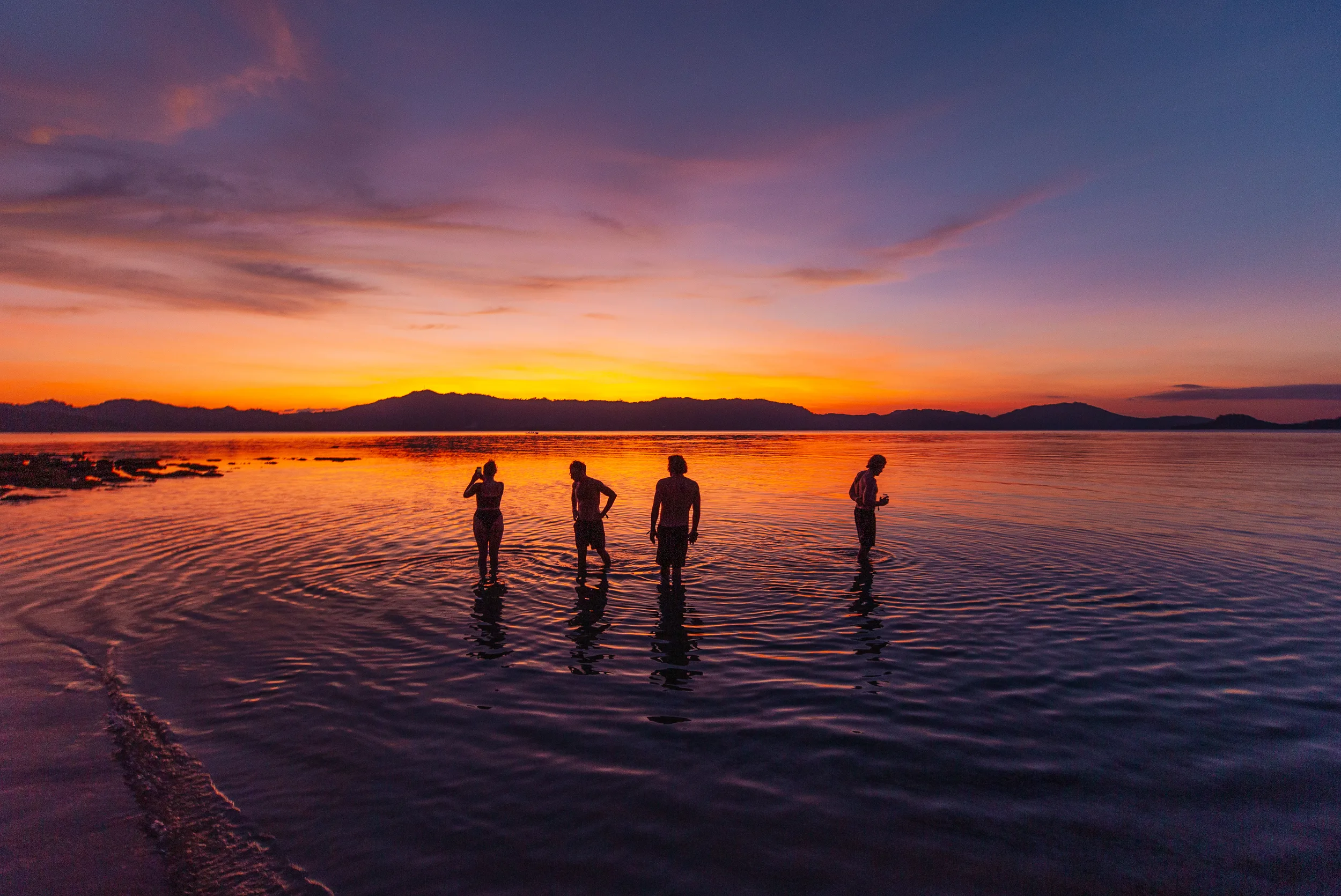
Children over 13 can take part in any of our trips while families with younger children can join at Christmas, Chinese New Year and Easter. Or book a private adventure any time.